Seasons · Iceland
The best time to see the northern lights in Iceland.
Which months, which hours, and why the weather on the night matters more than the calendar.
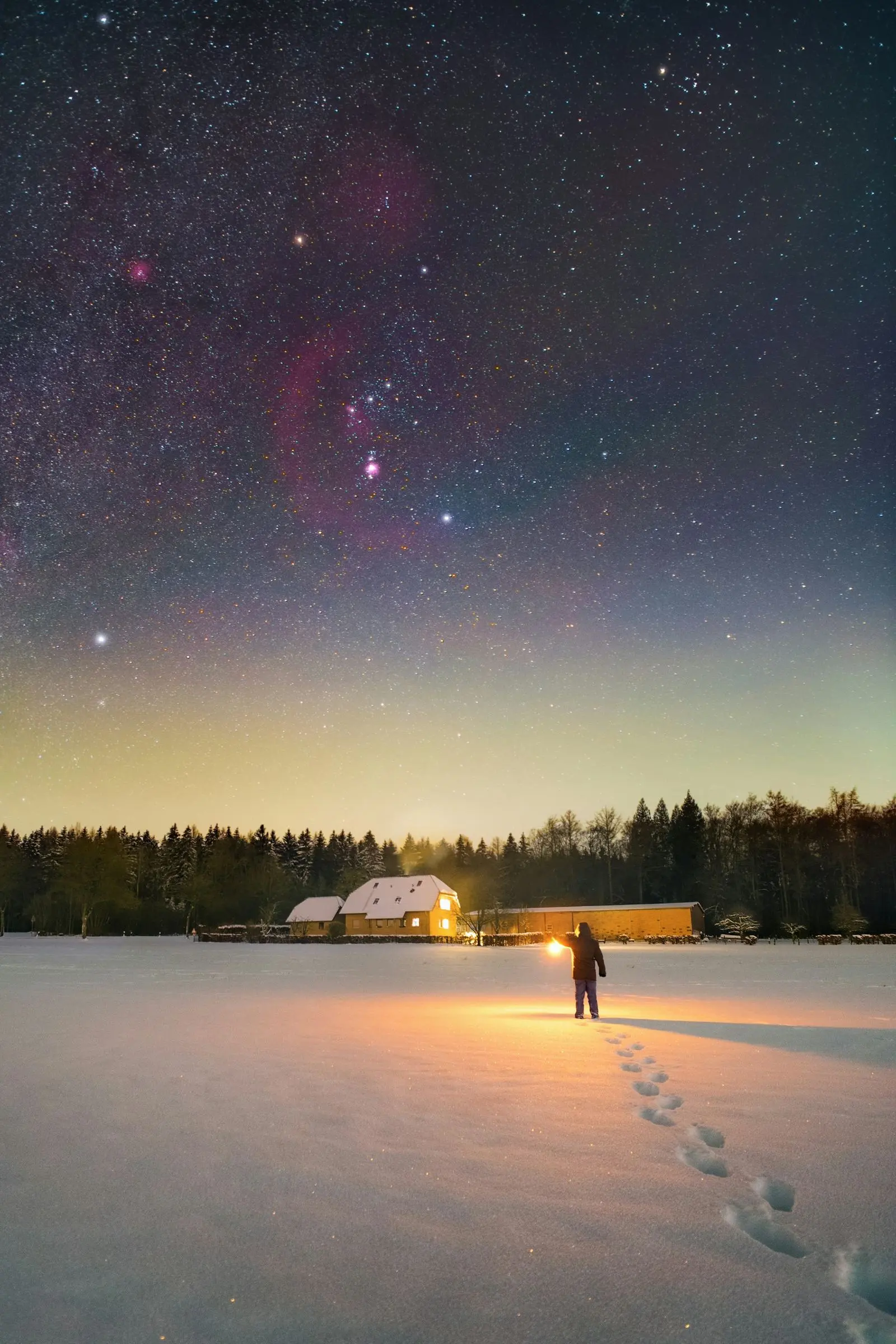
The northern lights are over Iceland all year. For half of it, you simply cannot see them. The aurora needs three things on the same night: darkness, some activity from the sun, and a sky clear enough to look through. The calendar decides the first. The second is beyond anyone's control. In Iceland, the third is usually the one that matters.
The season.
The northern lights season in Iceland runs from September to April. These are the months when the nights are long and dark enough for the aurora to show. From May to August the sky barely darkens at all, so even a strong display has nowhere to appear.
Within the season, two windows are worth knowing. Activity is often said to rise around the equinoxes in September and March, which also bring milder weather and easier roads. Midwinter, from December to February, gives the longest nights, and so the most hours each day in which the lights could appear.
Month by month.
A simple way to think about the year: the darker the month, the more hours you have to look. Darker is not always better, though. Deep winter brings shorter days for everything else, and less settled weather.
The bars show the relative length of the night, an approximate guide rather than a measurement.
The hours.
The aurora can appear at any time the sky is fully dark. Most sightings come between late evening and the small hours, so it pays to stay out late, or to stay somewhere that will wake you when the sky changes.
- Give yourself several nights. More nights in season means better odds.
- Get away from town lights. On a strong night the lights can be seen even over Reykjavík, but darkness makes every display richer.
- Be ready to move. On a cloudy night, a short drive can find a clear patch of sky.

Reading the forecast.
The forecast most people in Iceland use comes from the Icelandic Meteorological Office. It rates expected auroral activity on a scale of 0 to 9, and shows a map of cloud cover beside it. In Iceland, the cloud map is often the more useful of the two. Like any forecast, it is reliable only a few days ahead, so use it night by night rather than to plan the trip.
Where to stay.
The aurora can be seen almost anywhere in Iceland on a clear night. What changes the experience is the room. A lodge with little light around it, a guide who knows which valley is clear, and a driver ready at an hour's notice turn a cold wait into an evening worth remembering.
When we plan a winter journey to Iceland, we build it so the lights are a bonus, never the only reason: glacier lagoons, ice caves, hot springs and long dinners by day, with the evenings kept free and someone watching the sky.
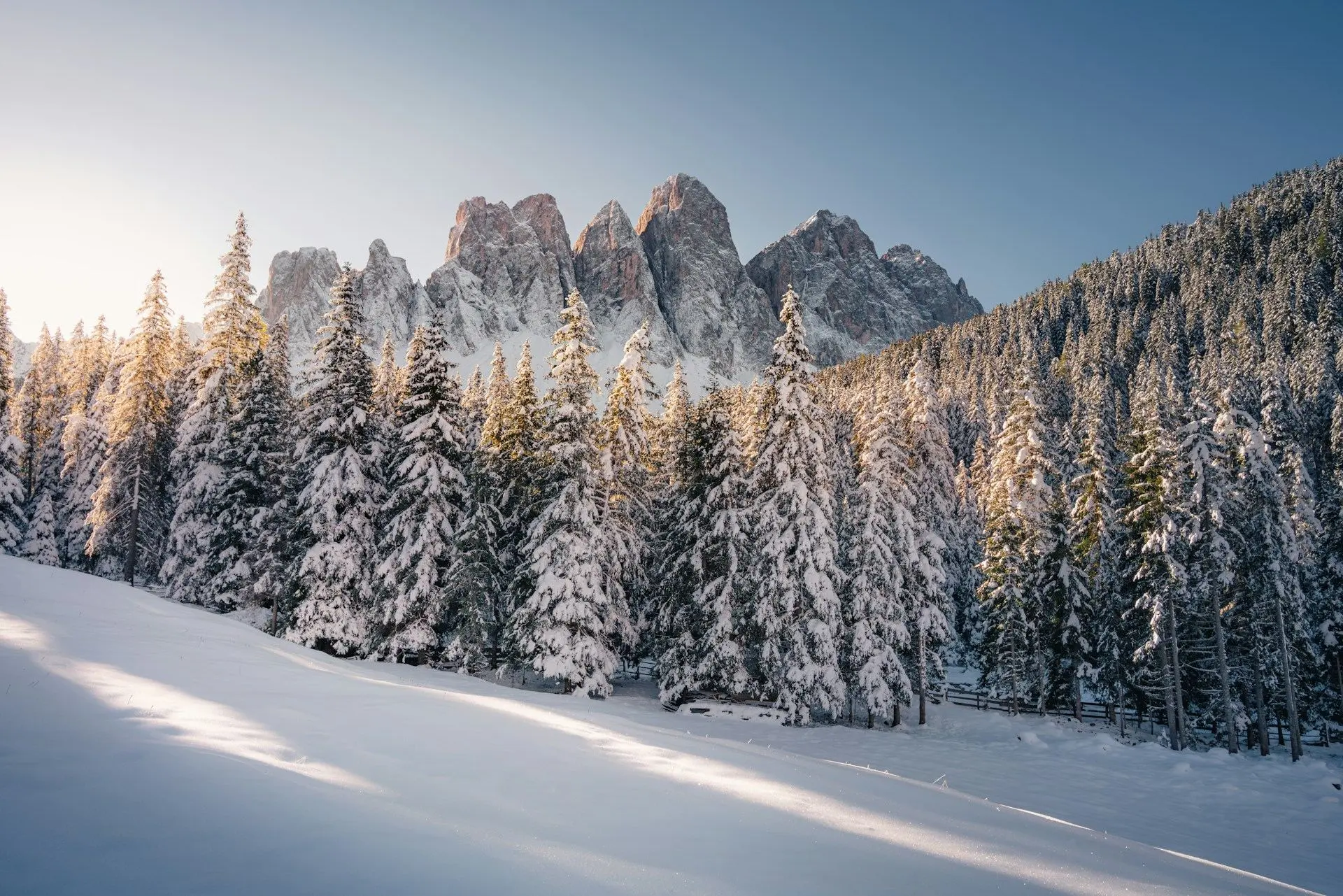
Somewhere quiet, somewhere warm, and someone watching the sky.
Questions.
What months can you see the northern lights in Iceland?
From September to April, when the nights are dark enough. From May to August the sky barely darkens, so the aurora cannot be seen even though it is still there.
What is the best month to see the northern lights in Iceland?
There is no single best month. Activity is often said to rise around the September and March equinoxes, and December to February give the most hours of darkness. The weather on the night matters more than the month.
What time of night are the northern lights visible?
Whenever the sky is fully dark and clear. Most sightings come between late evening and the small hours.
Are the northern lights guaranteed?
No. The aurora needs darkness, solar activity and a clear sky at the same time. Allowing several nights in season gives you the best chance.
For the same sky over a different landscape, read Lapland, when the light comes back. Members of The Unparalleld Circle travel to Iceland together in the first week of March 2027.